Class levy, assessed value, taxable new growth, tax rate, timing, and the effect on the total levy—not assessed value alone.
Townwide growth · place · identity · consequence
How can Wilbraham change, invest, and grow without losing things residents value and cannot recreate?
A proposal can add tax base, service, housing, business activity, or convenience and still require roads, traffic changes, public safety, inspections, utilities, infrastructure, incentives, or a permanent change to place. The responsible question holds both sides at once.
A decision made for the whole Town should consider the whole Town—without making the distinctive value or lived experience of any one part invisible.
02 · The origin story
This work began in Wilbraham Center. The platform grew because the decision is larger than one place.
Direct answer
The Center made the risk visible: financial and development choices can permanently change a place before residents can see the whole tradeoff.
Sherie's concern began in a historic residential area with a small commercial presence, where the possibility of much greater commercial development raised questions about identity, traffic, infrastructure, public value, and what could be lost. Whole Picture now asks those questions for all Wilbraham.
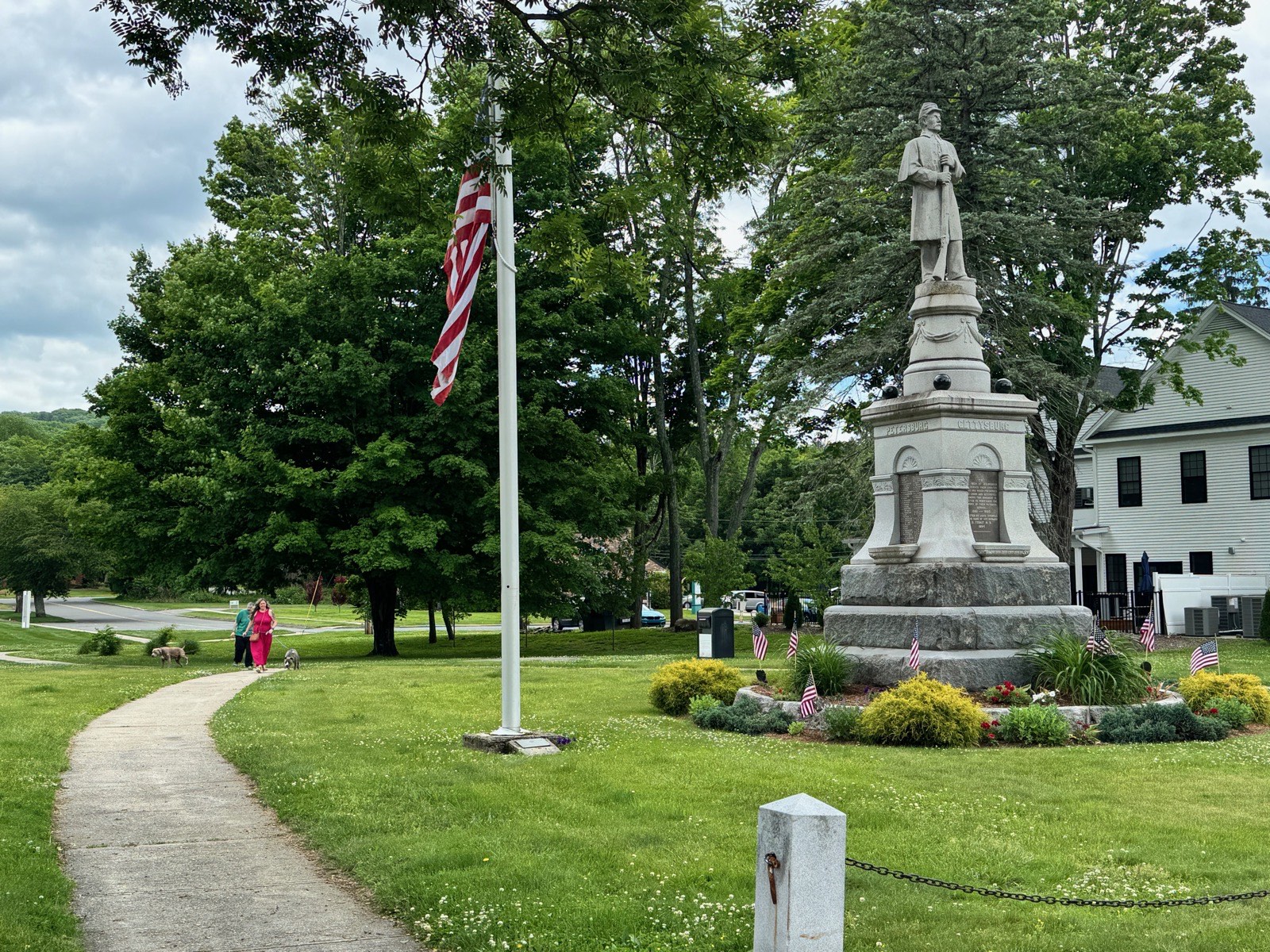
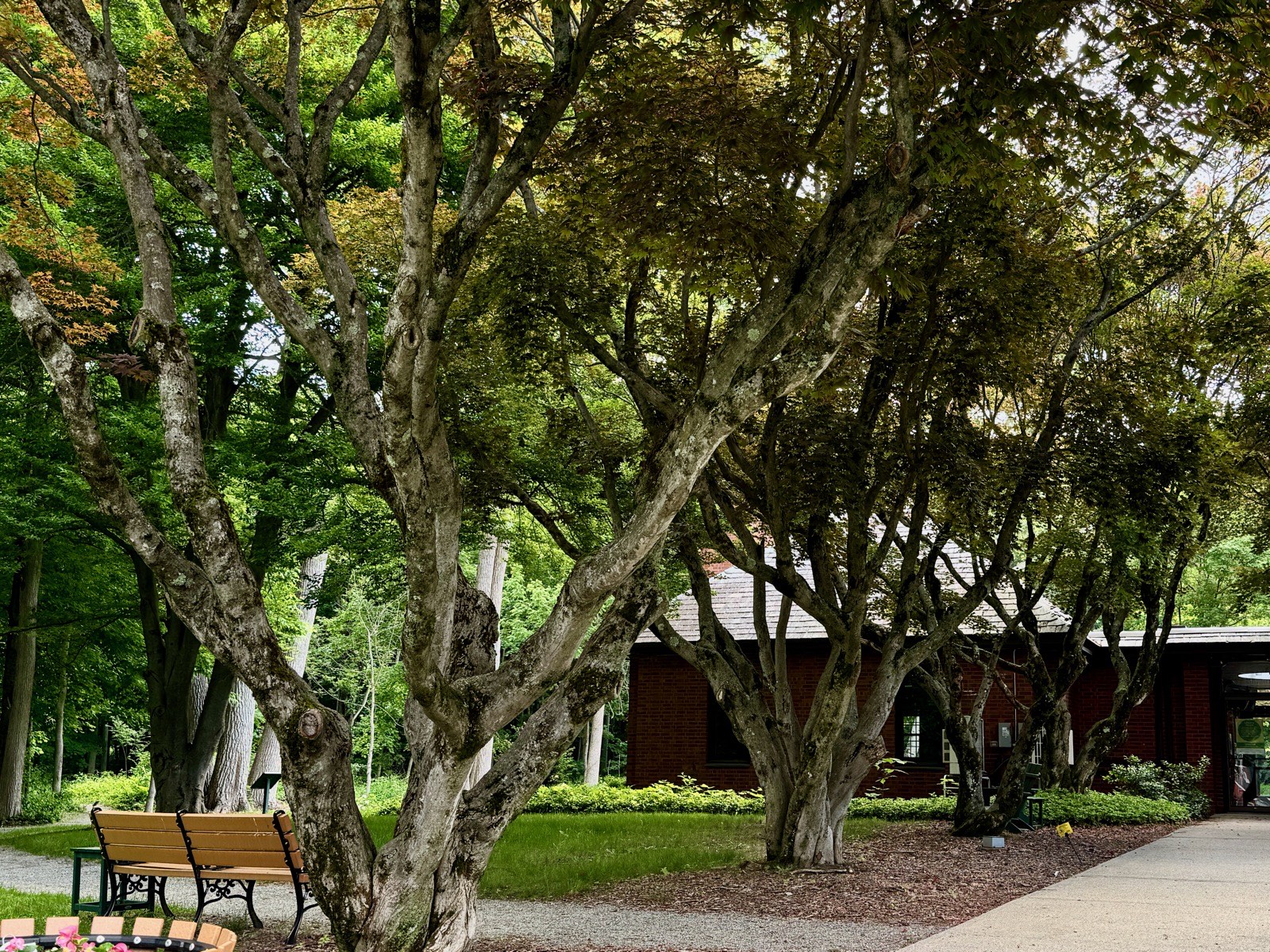
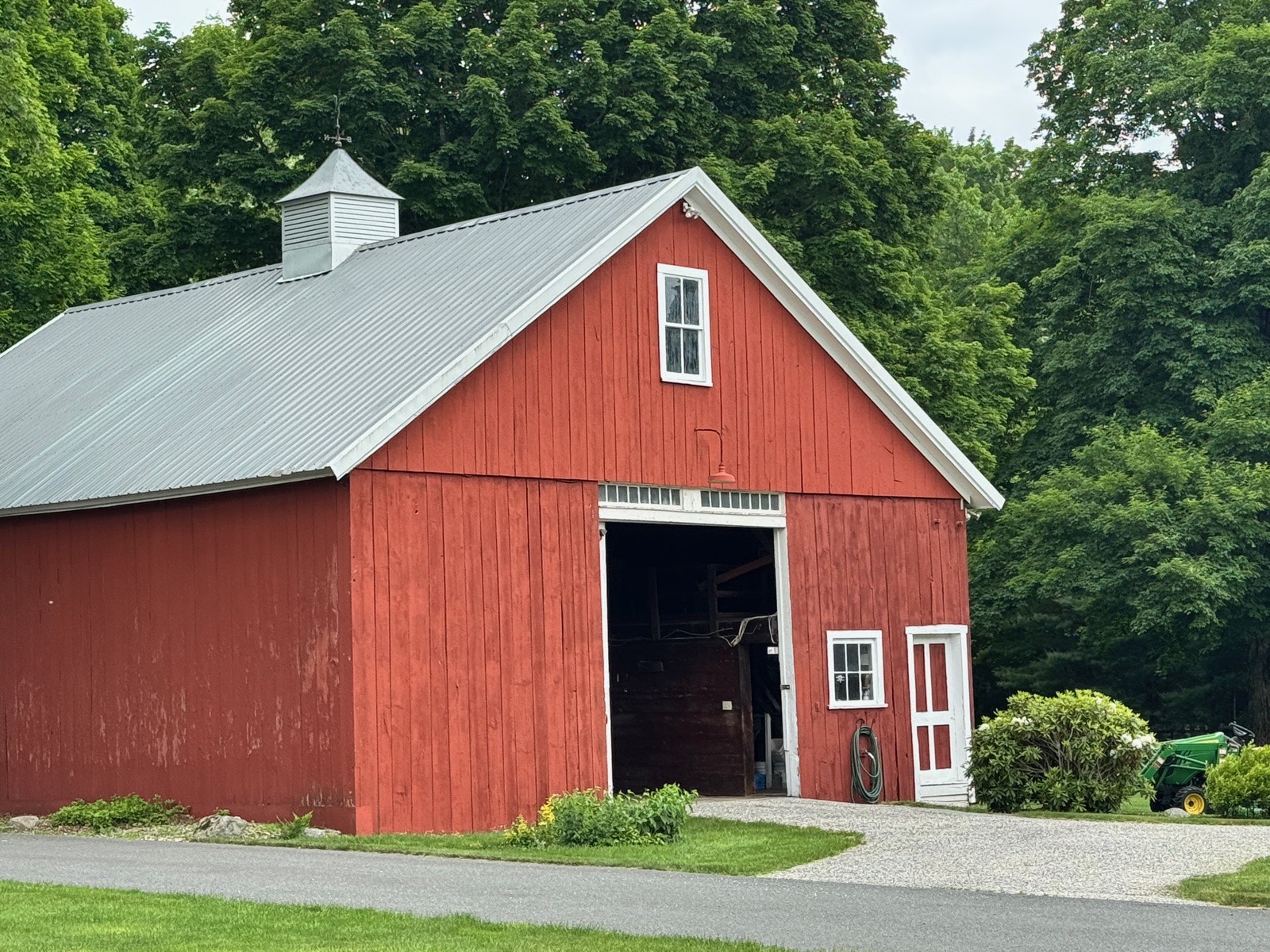
Photograph boundary: these are Wilbraham Center images from the reviewed Understanding Together workbook. They are shown as the named origin case—not as a complete visual representation of all Wilbraham.
Why it matters
The goal is not to produce one person’s version of Wilbraham. The goal is to help Wilbraham recognize itself.
A townwide decision can weigh different priorities and still take local identity seriously. Place-based evidence should inform the choice without turning one neighborhood into the only community that matters.
03 · What growth contributes
Would commercial growth materially ease the household burden?
Current strongest answer
Commercial property contributes to Wilbraham’s tax base, but the available evidence does not yet establish a complete net benefit to households.
The accepted FY2021–FY2026 class comparison shows that residential property carried nearly all of the Town-wide levy’s dollar increase while commercial and industrial changes were much smaller. Wilbraham used the same class tax rate. Gross levy and local-option receipts can be shown; net public cost, Town support, and resulting household relief are not yet fully connected.
Rooms, meals if adopted, licenses, permits, fees, utility charges, and other accepted revenue with clear period and basis.
Sale, permit, connection, grant, or other amounts that cannot be assumed to support recurring services.
Services, jobs, access, activity, convenience, housing, reuse, or other outcomes supported by evidence—not assumed from tax base alone.
Open the live commercial tax, new-growth, room-receipt, and missing-cost evidence →
04 · What growth requires
What public costs, commitments, or support would come with the choice?
Direct answer
The answer is not yet established—and that is a material part of the decision.
A defensible net story needs accepted connections among properties or projects and roads, intersections, traffic, public safety, inspections, water, wastewater, stormwater, utilities, infrastructure, capital work, debt, grants, abatements, incentives, fee waivers, land actions, and other Town support.
| Cost or support | What the report should show | Current handling |
|---|---|---|
| Direct service cost | Calls, inspections, staff time, metered use, project expense, or another direct source-linked amount. | Report directly when the accepted connection exists. |
| Shared public cost | Allocation driver, period, scope, unallocated amount, and reconciliation to the controlled total. | Do not assign a convenient percentage without an accepted method. |
| Infrastructure commitment | Road, signal, utility, land, design, construction, debt, maintenance, and responsible project. | Not yet available as a complete commercial bridge. |
| Incentive or Town support | Authority, beneficiary/project, amount, timing, performance terms, expiration, and result. | No comprehensive accepted register; unknown is not zero. |
| Net household effect | Recurring net contribution translated to levy/service effect under disclosed assumptions. | Blocked until gross contribution, public cost, support, timing, and allocation reconcile. |
Why it matters
A development can be valuable and still require an honest public-cost story.
Likewise, a public cost does not automatically make a proposal undesirable. Seeing both allows Wilbraham to judge what it contributes, what it requires, who carries each effect, and whether the complete trade is worth making.
05 · Who experiences the change
Who benefits, who carries the burden, and where will the effects be felt?
Direct answer
Townwide value and place-specific effects belong in the same comparison.
The report should identify residents near the change, residents elsewhere in Town, businesses, workers, customers, service users, travelers, public-safety and operations staff, taxpayers, and future residents where evidence supports those groups. It should not use a townwide average to erase a concentrated effect.
Taxes, fees, service access, noise, traffic, safety, convenience, property context, and future flexibility.
Access, customers, infrastructure, fees, regulation, workforce, Town support, and the surrounding place.
Police, fire, EMS, inspections, roads, utilities, planning, administration, maintenance, and capital capacity.
Historic character, landscape, walkability, gathering, memory, identity, environmental conditions, and the relationship among uses.
06 · Reversibility and inheritance
What could Wilbraham change later—and what might be impossible to recreate?
Direct answer
Reversibility is part of the cost, even when it has no immediate dollar amount.
A tax rate, service schedule, lease term, pilot, or operating practice may be adjustable. Demolition, loss of mature landscape, disposition of public land, irreversible alteration of a historic setting, or development that closes another future may not be.
- 1What is the smallest reversible step?Can the Town test, phase, learn, or preserve an off-ramp before making the permanent commitment?
- 2Which future options would this close?Identify land, asset, service, financial, environmental, and community choices that would no longer remain available.
- 3What evidence would we wish we had if the assumption proves wrong?Move that evidence into follow-up before the irreversible gate when material.
- 4What will the next generation inherit?Include the delivered benefit, recurring obligation, remaining flexibility, and any loss that cannot be repaired with money later.
Why it matters
Some choices can be adjusted later. Others permanently change the place the community inherited.
The past teaches. The present decides. The future inherits. Whole Picture cannot decide how Wilbraham should balance growth and identity, but it can keep either side from disappearing before the choice is made.
Sources and methodology
What informed this page
This guided story combines the accepted Whole Picture commercial and tax reporting, the unresolved public-cost and Town-support defects, the reviewed Understanding Together workbook, its Wilbraham Center photographs, scenario and asset frameworks, and Sherie's stated townwide/place-sensitive reporting purpose.
Current commercial evidencePMO data defect registerPlatform source and capability inventoryReviewed platform file inventory
Open the prior v4.11 Whole Picture doorway preserved before this expansion